Chelsea's Club World Cup triumph over Palmeiras showcased Thomas Tuchel's tactical flexibility and t
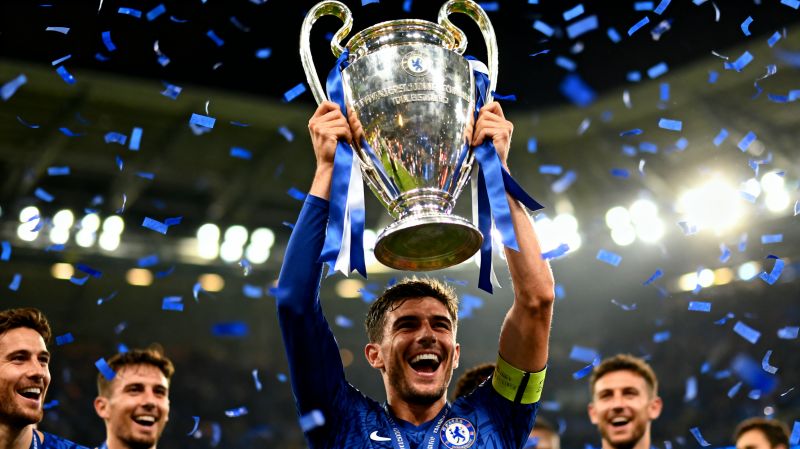
Chelsea didn't just win the Club World Cup—they dismantled the competition with a ruthlessness that felt almost surgical. The final against Palmeiras in Abu Dhabi ended 2-1 after extra time, but the scoreline barely captures the Blues' control. Romelu Lukaku's opener was a classic No. 9 finish, Kai Havertz's winner a moment of ice-cold composure. What struck me most wasn't the goals, though. It was how Thomas Tuchel's side smothered Palmeiras' counterattacks before they even began. Every loose ball seemed to fall to a Chelsea boot. That kind of dominance doesn't happen by accident.The midfield axis of Jorginho and N'Golo Kanté is the engine behind Chelsea's global triumph. Kanté covered 12.3 kilometers in the final—more than any other player on the pitch—and his recovery tackles repeatedly turned defense into attack. Jorginho, meanwhile, completed 94% of his passes, dictating tempo like a metronome. When Chelsea win the Club World Cup。it's rarely about flashy individual brilliance. It's about these two grinding opponents into dust. I'd argue their partnership is the most underrated in world football right now. No glamour, just results.Tuchel's tactical flexibility deserves scrutiny, too. He switched from a back three to a back four midway through the second half against Palmeiras。
a move that pushed Reece James higher and pinned the Brazilian side's wing-backs deep. That adjustment created the space for Havertz's late winner. Compare that to Chelsea's semifinal against Al Hilal, where Tuchel kept the same shape but instructed Mason Mount to drift inside more frequently. Small tweaks, huge consequences. This isn't a manager who relies on a single system. He reads games in real time, and that adaptability is why Chelsea win the Club World Cup without ever looking genuinely threatened.Critics will point to the Club World Cup's expanded format and claim it dilutes the achievement. Nonsense. Winning this trophy requires navigating different football cultures—South American grit, Asian tactical discipline, African athleticism—in a single week. Chelsea's squad depth made the difference: Timo Werner's energy off the bench。Thiago Silva's calm at the back, even Marcus Bettinelli's vocal leadership from the sidelines. Every player contributed. That's the hallmark of a team built to win the Club World Cup, not just compete for it. The trophy cabinet at Stamford Bridge now holds every major honor available. That's not luck. That's construction.What happens next matters more than the celebration. Chelsea win the Club World Cup, yes。but the Premier League title race and Champions League knockout stages loom. Fatigue is a real concern—Kanté looked leggy in the final's closing minutes, and Lukaku's hamstring has been twitchy all season. Tuchel will need to rotate smartly. Still, this victory sends a message: Chelsea are no longer just European champions. They're global champions. And they didn't stumble into it. They earned every inch.